

This well-known and well-used aphorism is self-explanatory, and few would dispute its veracity, except for perhaps the visually impaired. What appeals aesthetically to each individual is entirely subjective. Where did this saying come from? Some claim that versions of it date back to ancient Greece; Shakespeare coined a saying with a similar meaning in Love’s Labour’s Lost: “Beauty is bought by judgment of the eye…”. Benjamin Franklin expressed the same opinion in Poor Richard’s Almanack (1741): “Beauty, like supreme dominion, is but supported by opinion.” And no doubt many more have conveyed these sentiments in other ways. However, the word-for-word phrase first appeared in print in the novel Moll Bawn by Margaret Wolfe Hungerford (1878).
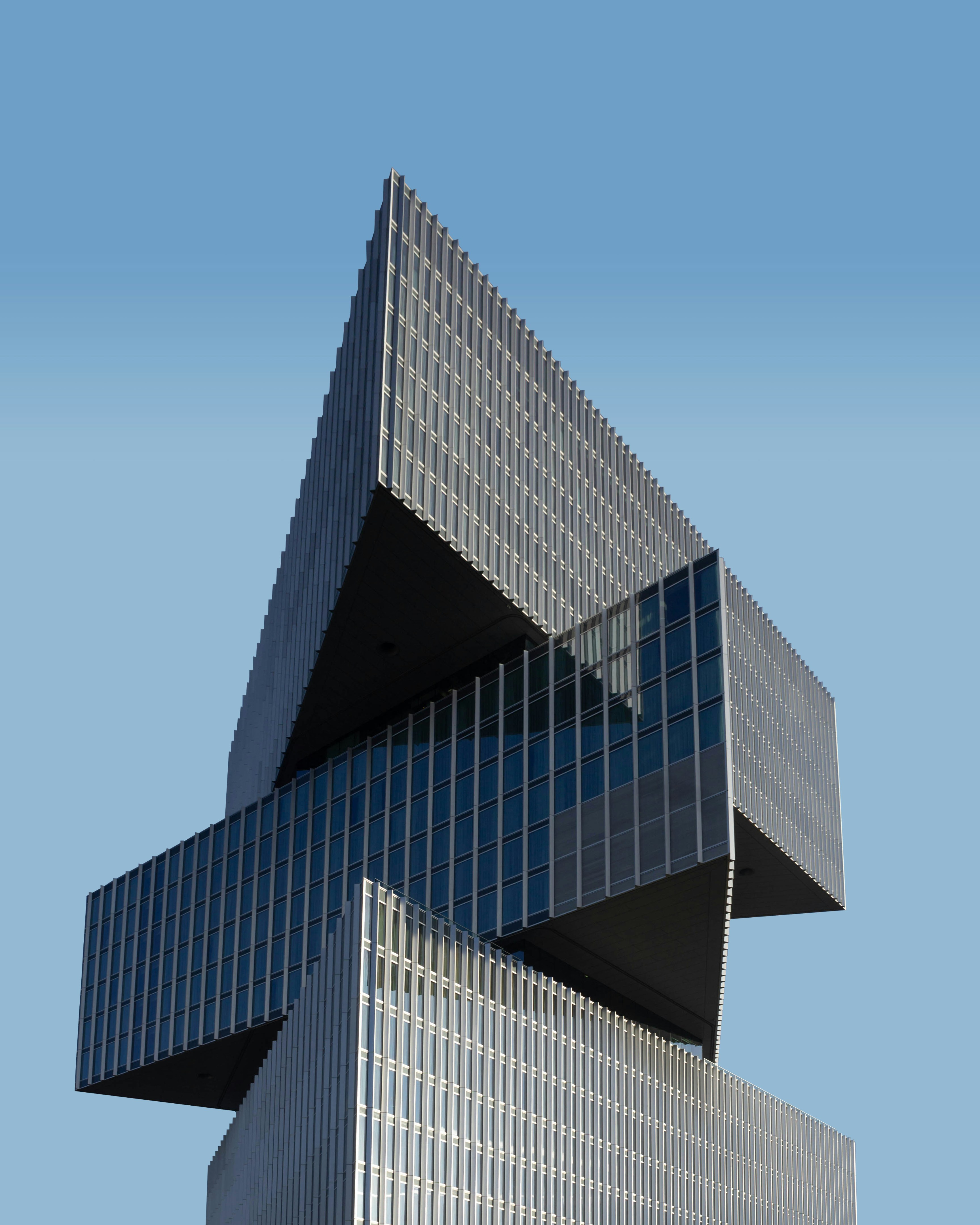
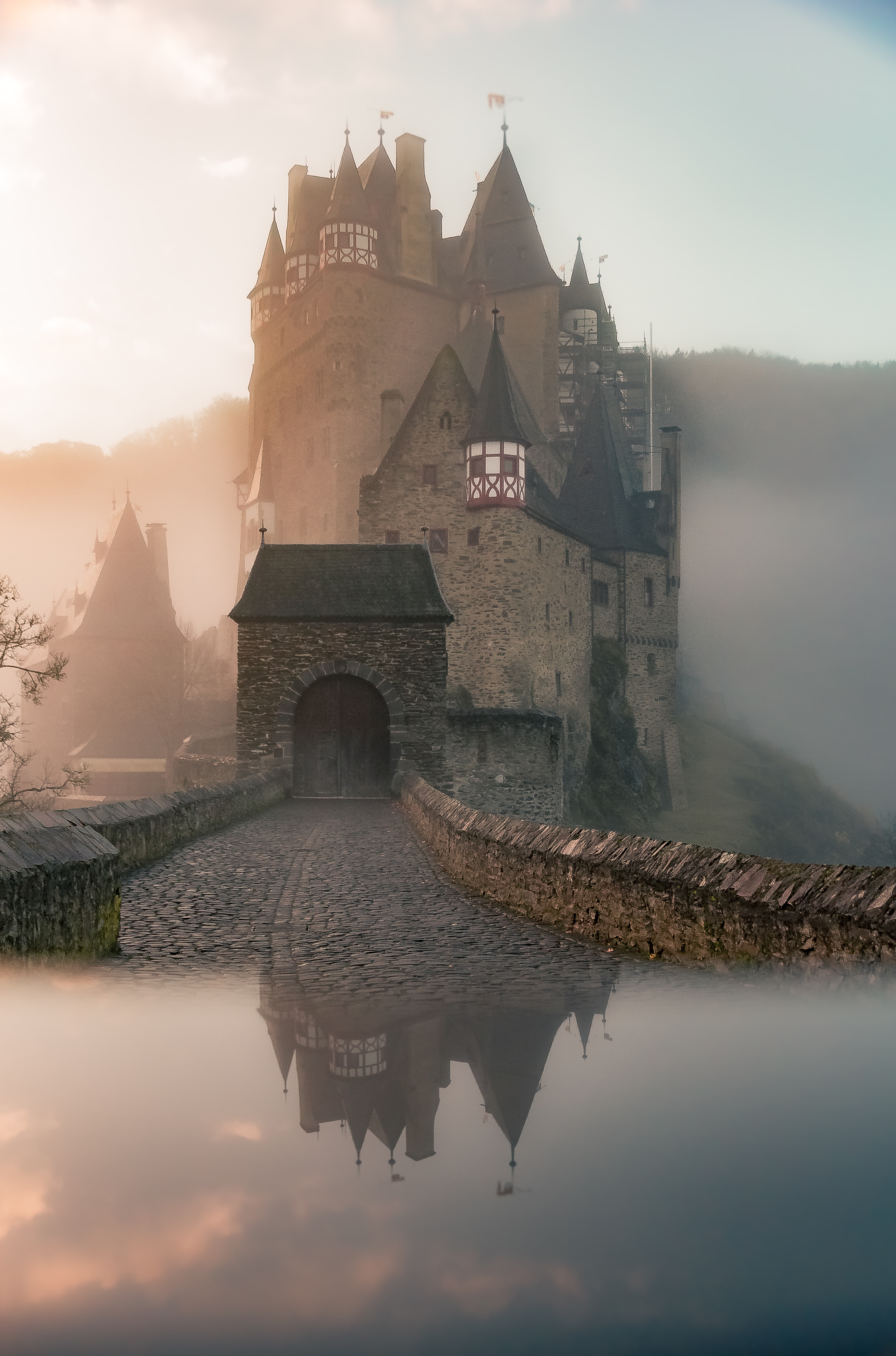
In viewing our environments, I believe a larger proportion of society would agree that the bucolic majesty of a stunning natural landscape outstrips a toxic post-industrial wasteland by a long chalk. This is less evident in an urban setting, where someone’s wonderful example of contemporary architecture is another person’s monstrous carbuncle.
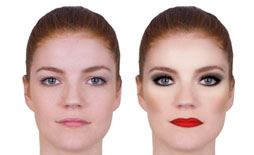
When it comes to human appearances, some prefer a cosmetically plastered, excessively groomed, surgically ‘enhanced’ look to one as nature intended. According to PsyPost (Jan 2020), “researchers found that women with heavy makeup were rated by both male and female participants as having less humanness, agency, experience, competence, warmth, and morality compared to women without makeup”. Parties, fashion statements and performances aside, I’ll pass no judgment here because I know a person’s self-esteem can be greatly affected by how they feel they’re presenting themselves, and being perceived, in public – not to mention those people with what are considered ‘unsightly’ blemishes or scars. And of course, many men now wear makeup too. However, I wonder how much our society, and people with perfectly acceptable faces, are influenced by powerful advertising campaigns designed to make them feel inadequate or unlikeable without their products or services. That’s a can of worms I’ll save for a later rant, but it is telling that the National Hair and Beauty Federation say that in 2017 the hair and beauty industry (their word) generated £7.5 billion for the UK economy.
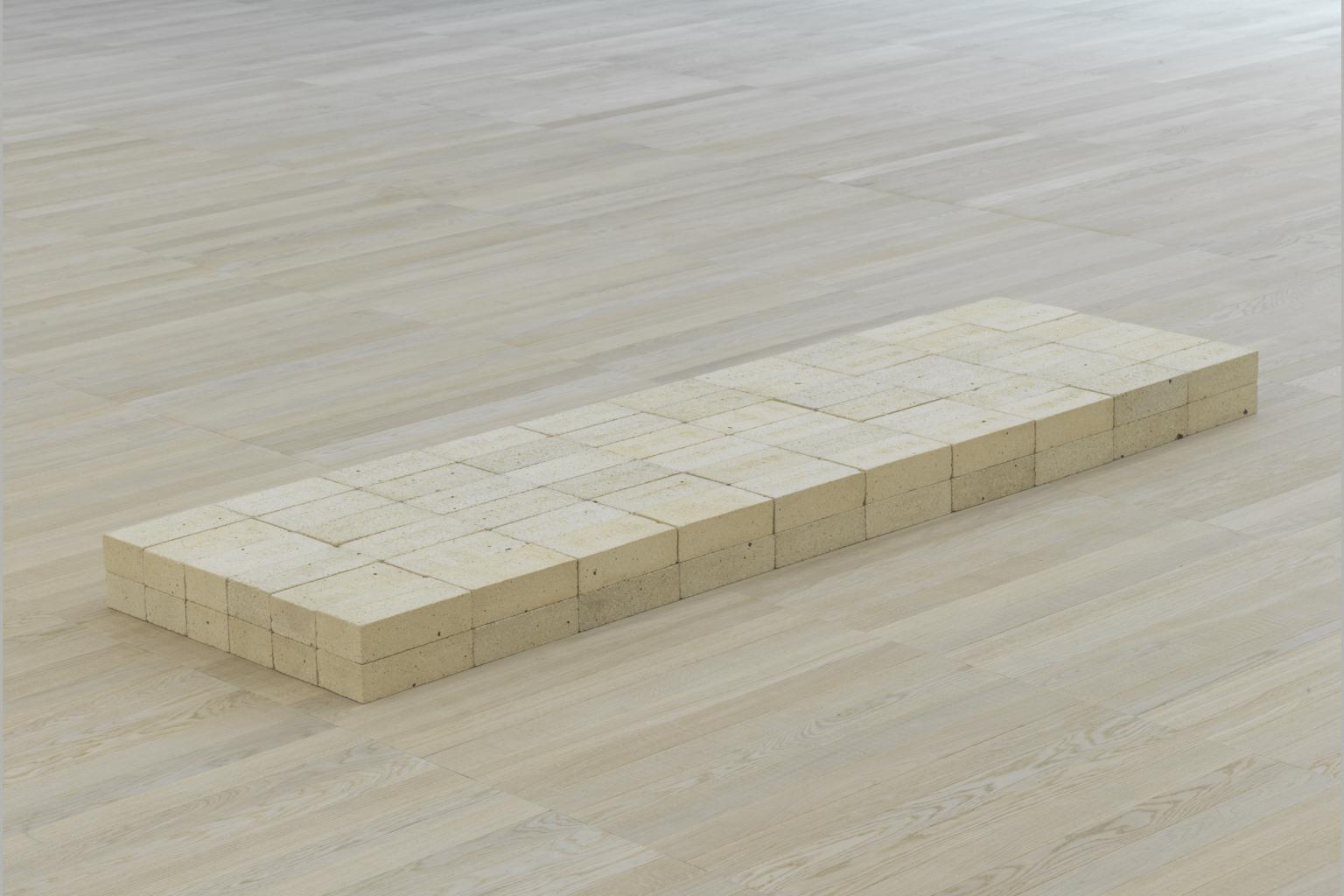
Where visual art is concerned, there is much controversy. Yves Klein’s IKB 79 (1959) was one of nearly two hundred blue monochrome paintings he produced in his lifetime. IKB stands for International Klein Blue, a distinctive ultramarine which Klein registered as a trademark colour in 1957 and described as “a Blue in itself, disengaged from all functional justification”. To some, this is the work of a genius who had mastered the use of colour to create the perfect shade of blue. To others, it is utter bollocks produced by a pompous twat milking the pretentiousness of the contemporary art scene. Similarly, Carl Andre’s Equivalent VIII is a rectangular arrangement of 120 firebricks purchased by the Tate Gallery in 1972 for $6,000. Literally, anyone who can lift a brick could have made it. Turner prize winners have included an unmade bed and an upside-down shed; I wonder what Turner would have made of this. However, these objects are not judged by their appearance, but by the concept and/or processes behind their development – invisible art?
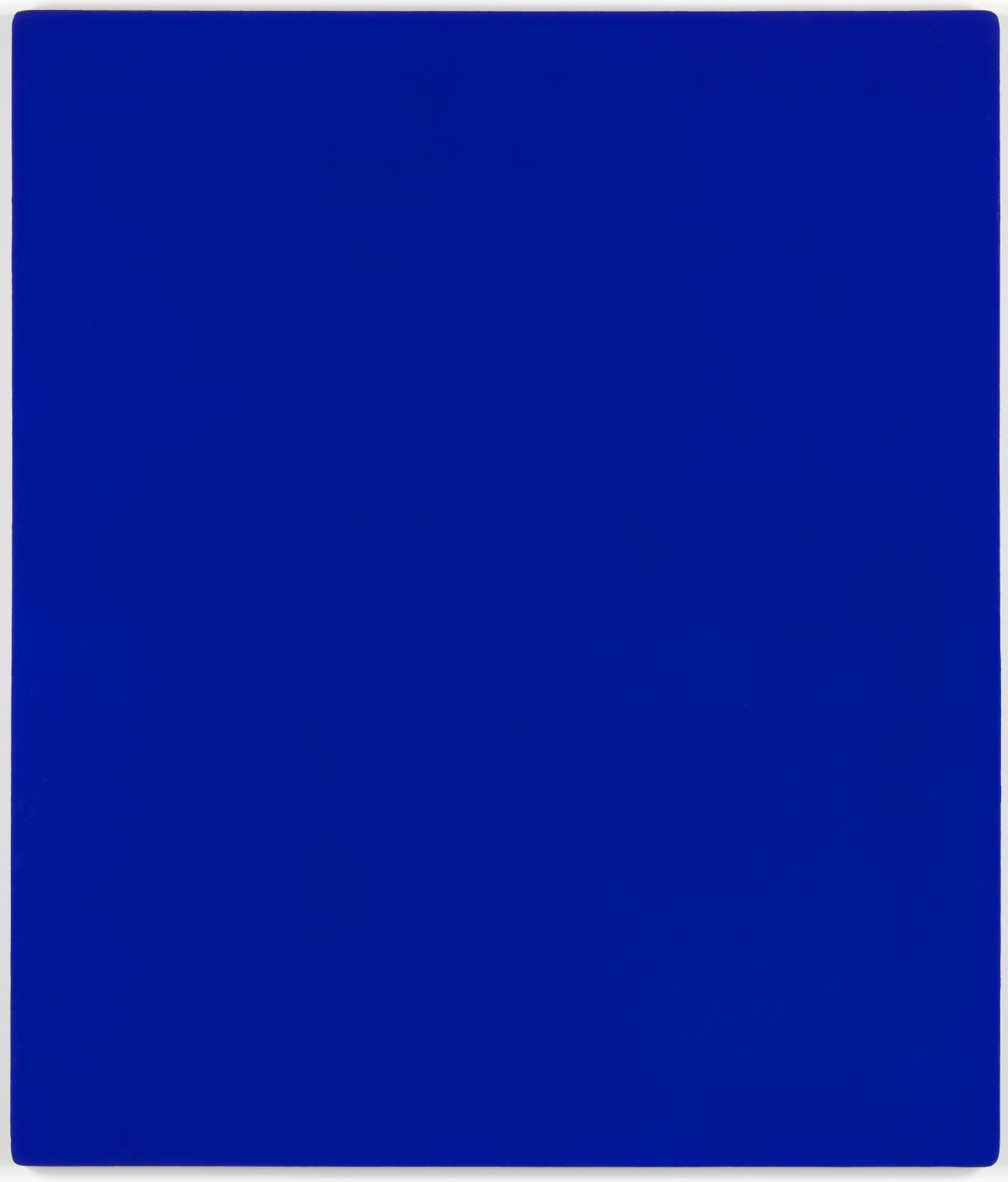
What constitutes art has probably been debated since the first cave paintings. It can be used to make political statements, to challenge the ideas, thoughts, beliefs, values or morals of individuals or society, or to make beautiful things to look at. The Oxford English Dictionary defines art as, “The expression or application of creative skill and imagination, typically in a visual form such as painting, drawing, or sculpture”. According to Amanda Palmer, “You’re a good artist when you make somebody else experience or feel something deep or unexpected”. So, art does not by definition need to be beautiful.
I wonder how much of our subjectivity is influenced by upbringing, peer pressure, cultural conditioning, and clever marketing. What about personal experiences where an encounter with an object or location is linked to an emotional state? I can appreciate how a dopamine hit could influence how the eye judges what it sees. Equally, a city dweller lost in the wilderness may see it as a threatening, chaotic and ominous environment where trees seem to loom with evil intent and wild animals lurk, baying for blood.

What of the other senses? What about the ears? A piece of music might be called a beautiful. Yet not all the music we like can be described as such, and no doubt opinions will differ over which tunes fit the bill. To some, an aria sung by a soprano takes them to heights of pleasure unfathomable to those who would rather hear fingernails on a chalkboard. Birdsong can make the human spirit soar or, perhaps with a hangover, can seem like a cacophony of discordant screeches. A flower can have a beautiful smell, but perfumes and body products that might drive one person into a frenzy of passion cause me to gag in reaction to the toxic solvents contained therein.
I would say my favourite pen writes beautifully, meaning it feels great the way it flows across the page, so the sense of touch comes into play. Do the blind feel beauty by touch? A book can be beautifully written. Which senses are engaged to arrive at that conclusion? Certainly the eyes (or perhaps the ears in the audio version) are used to access the material, but is the judgement of a book’s enjoyment or literary worth made by the mind, the heart, or the soul? All three?
Whatever you’re views on this subject, I recommend finding something beautiful to experience every day and don’t let anyone tell you your judgement, opinion or viewpoint on what constitutes beauty is misguided, unacceptable or wrong (unless it is harmful or abusive to others). Go for what enriches your life and gives you that dopamine hit.

 Geoff King