I’m generally quite a calm, thoughtful, reticent kind of guy, not given to emotional outbursts or ranting. To a certain extent, this is due to my upbringing by parents who were children during World War Two, the “mustn’t grumble” generation. They faced food shortages and other hardships that could not be overcome or lessened by moaning. My mum was injured by shrapnel from a crashing plane and my dad was physically and mentally abused by nuns. Both of them came from families of eight children, so, understandably, their parents had no time to deal with all their problems and most of the time would tell them to “just put up with it”.
Like everyone else, I am capable of feeling a full range of emotions, but I have not mastered how to express them. Sometimes I feel joy or wonder, or I want to be silly and funny; I am susceptible to eco-anxiety; I’m saddened and angered by inequality, social injustice, environmental destruction, bigotry and war. How does an introvert cope with this? One way is by having an alter ego.
I first discovered the cathartic nature of being someone else about fifteen years ago as a member of an amateur dramatic group, The Invergordon Players, and subsequently doing character walkabouts at festivals. I could be angry, loud or completely ridiculous, and it didn’t matter because it wasn’t me, it was the character. Crossing this psychological divide was a revelation, and despite the initial bowel-quivering stage fright, an overall liberating experience.
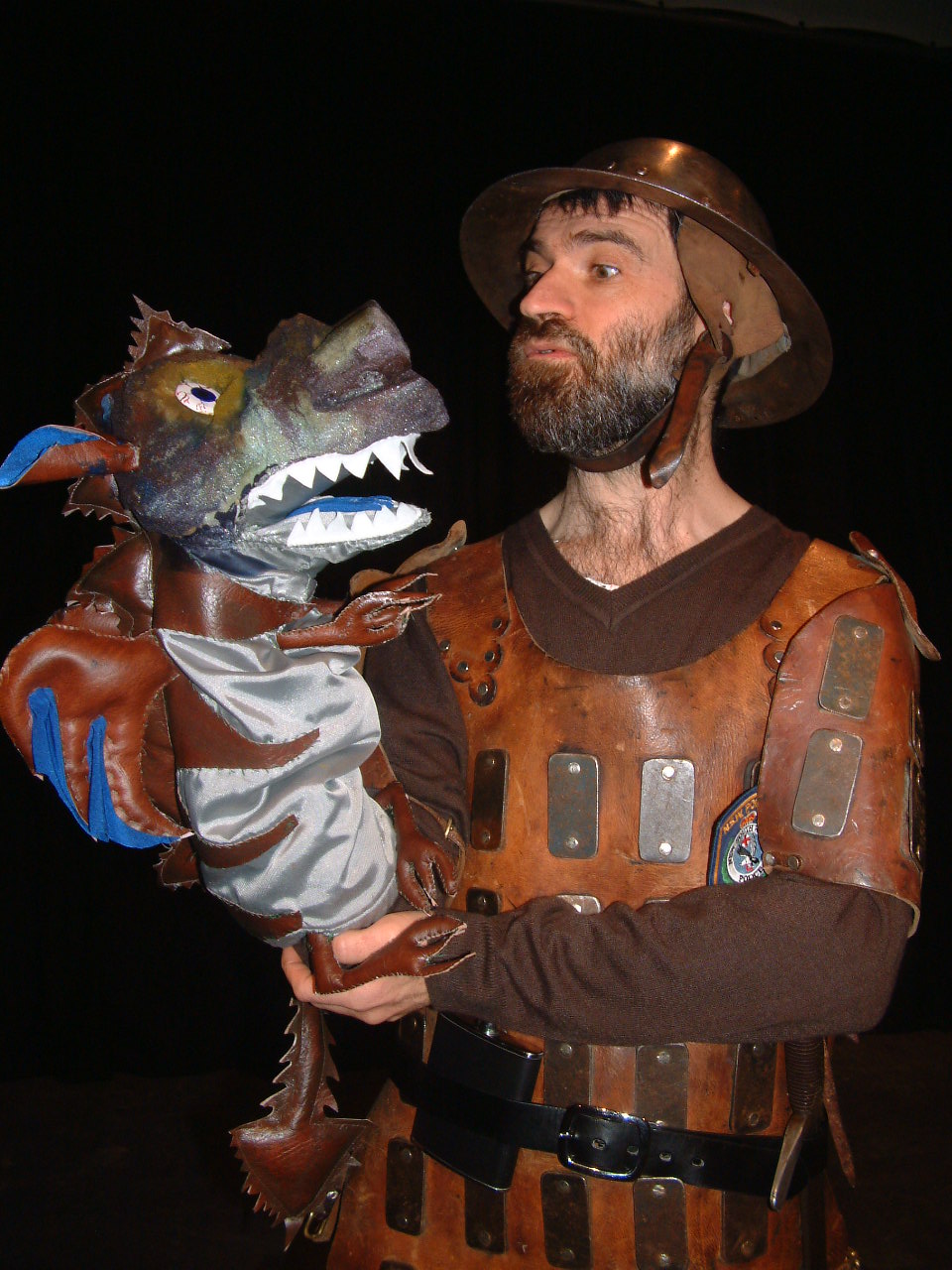
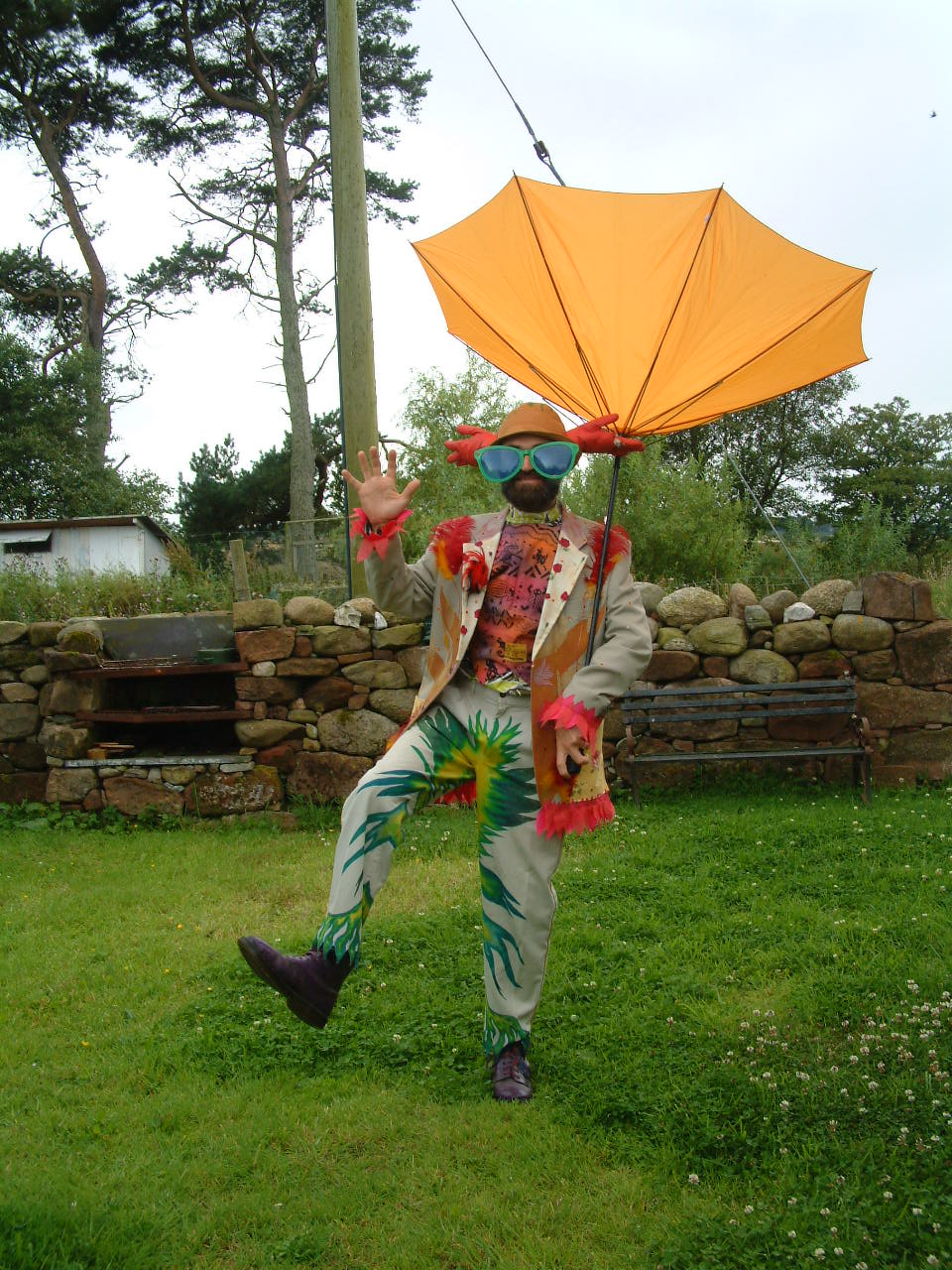
In the BBC’s Life Project, David Robson says, “Adopting an alter ego is an extreme form of ‘self-distancing’, which involves taking a step back from our immediate feelings to allow us to view a situation more dispassionately.” Personally, I find the opposite to be true: my normal self is the tranquil and composed one, whereas my alter egos allow me to more fully indulge and express my feelings.
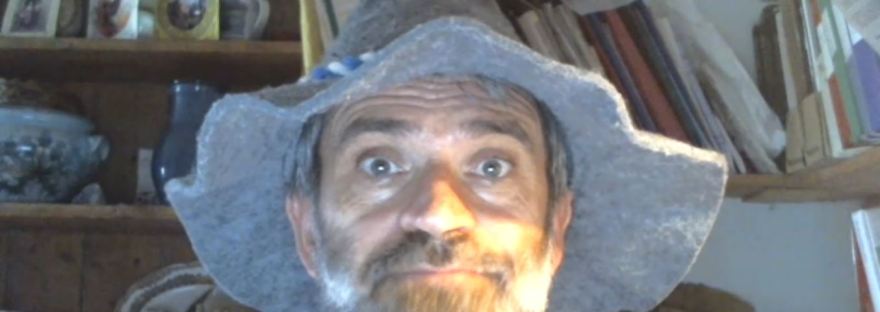
During the first lockdown, although not a big poetry fan, I participated in NaPoWriMo (National Poetry Writing Month). I found that poetry could be a good way of conveying my emotions. One particularly long poem This is my Tribe lent itself to being read out loud, and I discovered that I enjoyed doing so if no one but my wife was listening. From this word-weaving psycho-cerebral stew, a new character bubbled to the surface – The Raggedy Rhymer. This slightly eccentric persona enabled me to find the courage to upload videos of verse to YouTube. Speaking to an invisible audience greatly reduced my stage fright, and by putting on a silly hat or messing up my hair, I could be as nonsensical or as ranting as I needed to be.
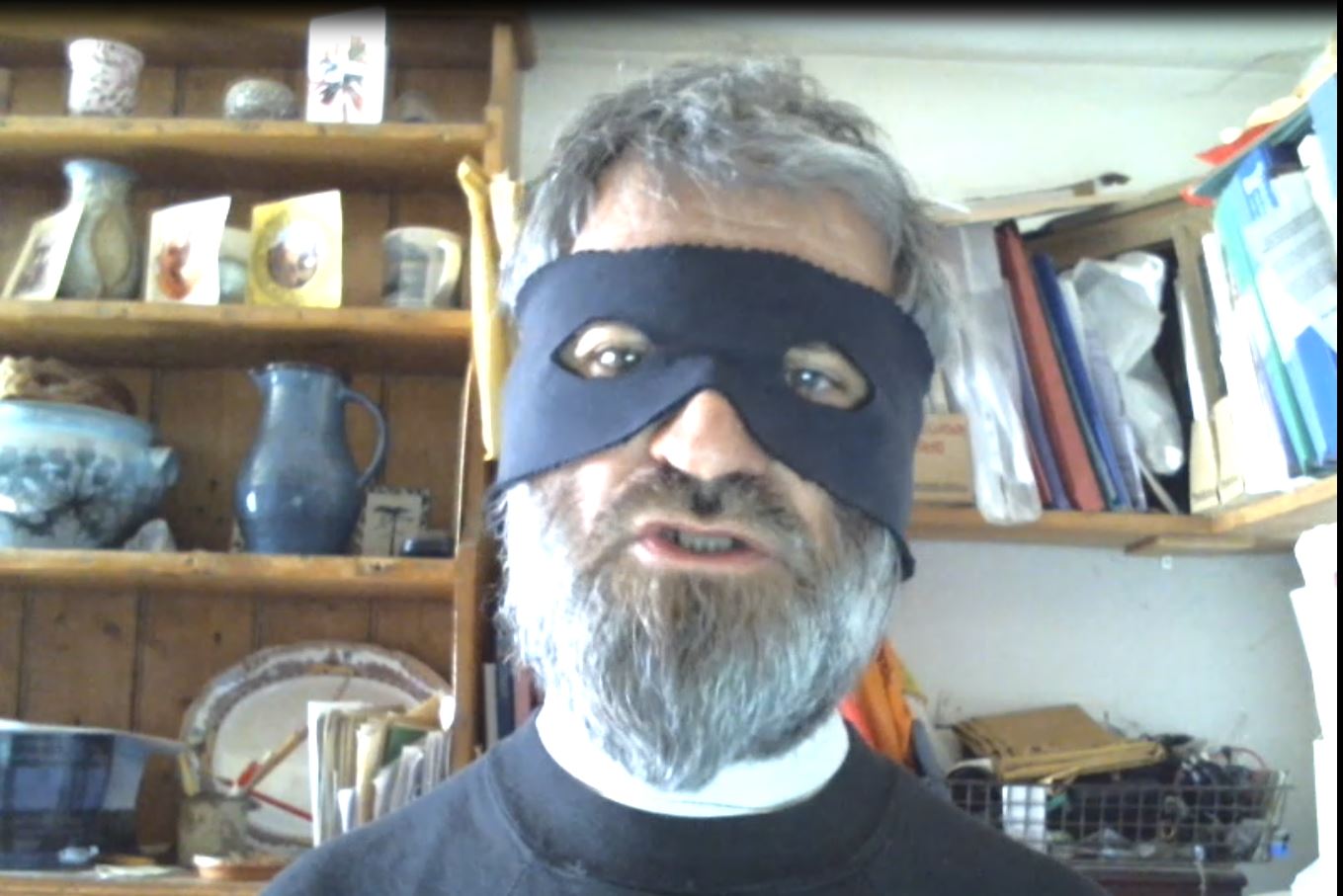
I’ll be the first to admit that my performance skills will need refining before I’m ready to release this oddball from his digital cage and expose him to a live, three-dimensional audience. But I have discovered a joy in writing and reading these pieces, which are so different to anything else I write, and a release when I can express my feelings in this way.
If you feel like sampling a socio-political rant or something just plain silly, you can find The Raggedy Rhymer here: https://www.youtube.com/@CanIusethis100/videos

 Geoff King
Cheers Bill
Thank you
I have always believed that a leopard can’t change it’s spots, BUT can act differently. I encouraged my children with this attitude.
Taking them to the local theatre group. They left the group to carry on dancing, sometimes on the stage. I was left to enhance my spot changing skills. Also used with selling jobs and being on the PTA whilst they were there. We put on a play for the kids and parents every Christmas.
I thought that I played the cowardly lion exceptionally well. When the headmaster shouted to the children “What did the cowardly lion ask for”
CABBAGE was the shouted reply. I blame the teachers!
Now I am a little older, I just try and make someone laugh everyday.
But as Geoff has more eloquently put it,
You can’t change who you are BUT you can act differently.
Love to all xx
I also find poetry the only way to deal with the melancholy of life. Loved this piece. Best wishes.❣️